

The Journeys Collection
8-DAY JOURNEY EXPLORING WESTERN TIBET
8-DAY JOURNEY EXPLORING WESTERN TIBET
An 8-day journey to explore Tibet takes visitors deep into its culture, history, and spiritual life amidst the majestic highland landscape. Starting in Lhasa – the sacred city at an altitude of over 3,600m, visitors have time to acclimatize and immerse themselves in the local rhythm, from kora circuits around Jokhang Temple to the lively atmosphere of Barkhor Street. The journey continues with iconic landmarks such as the Potala Palace, ancient monasteries, and unique cultural experiences like thangka painting or enjoying Tibetan butter tea.
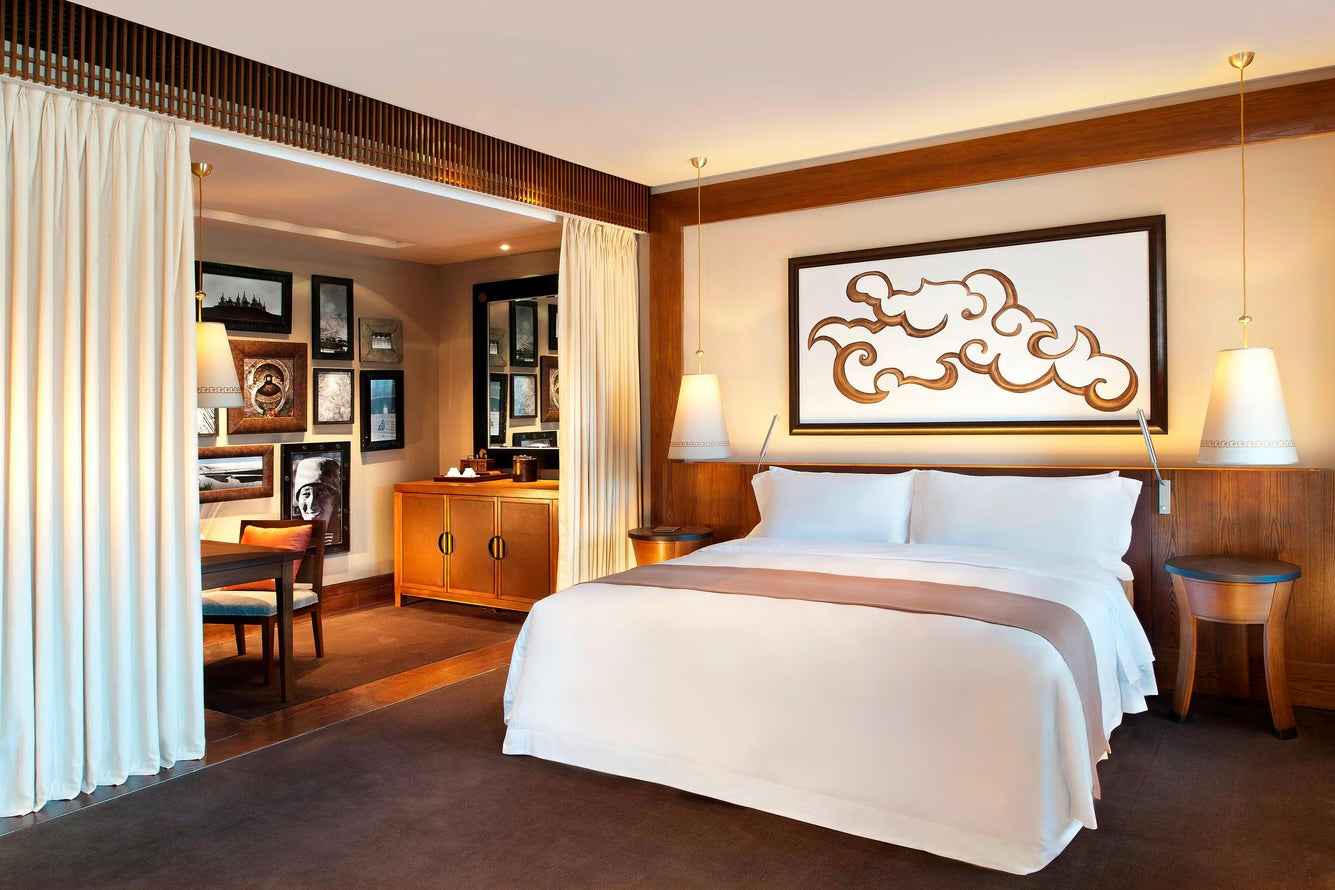
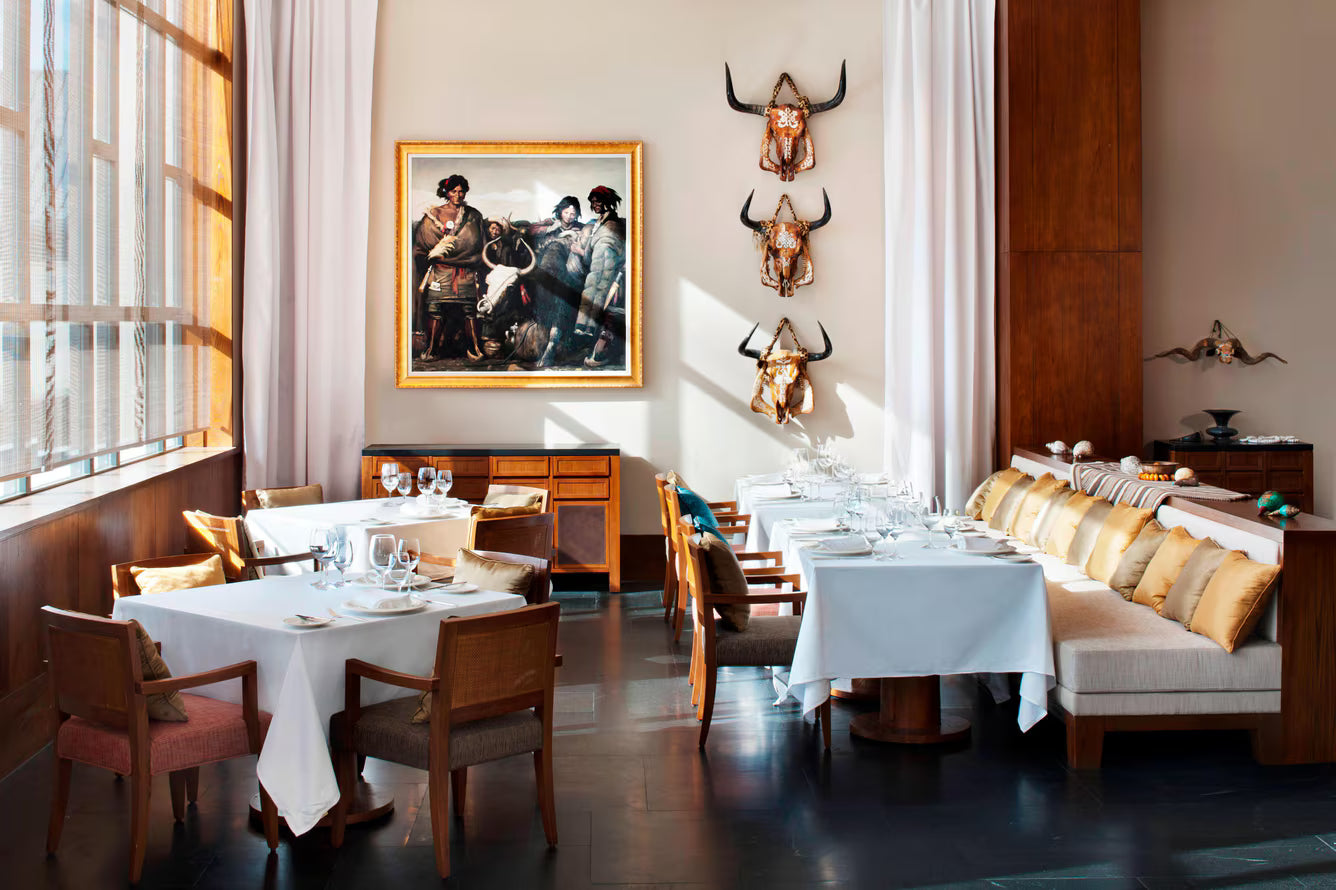
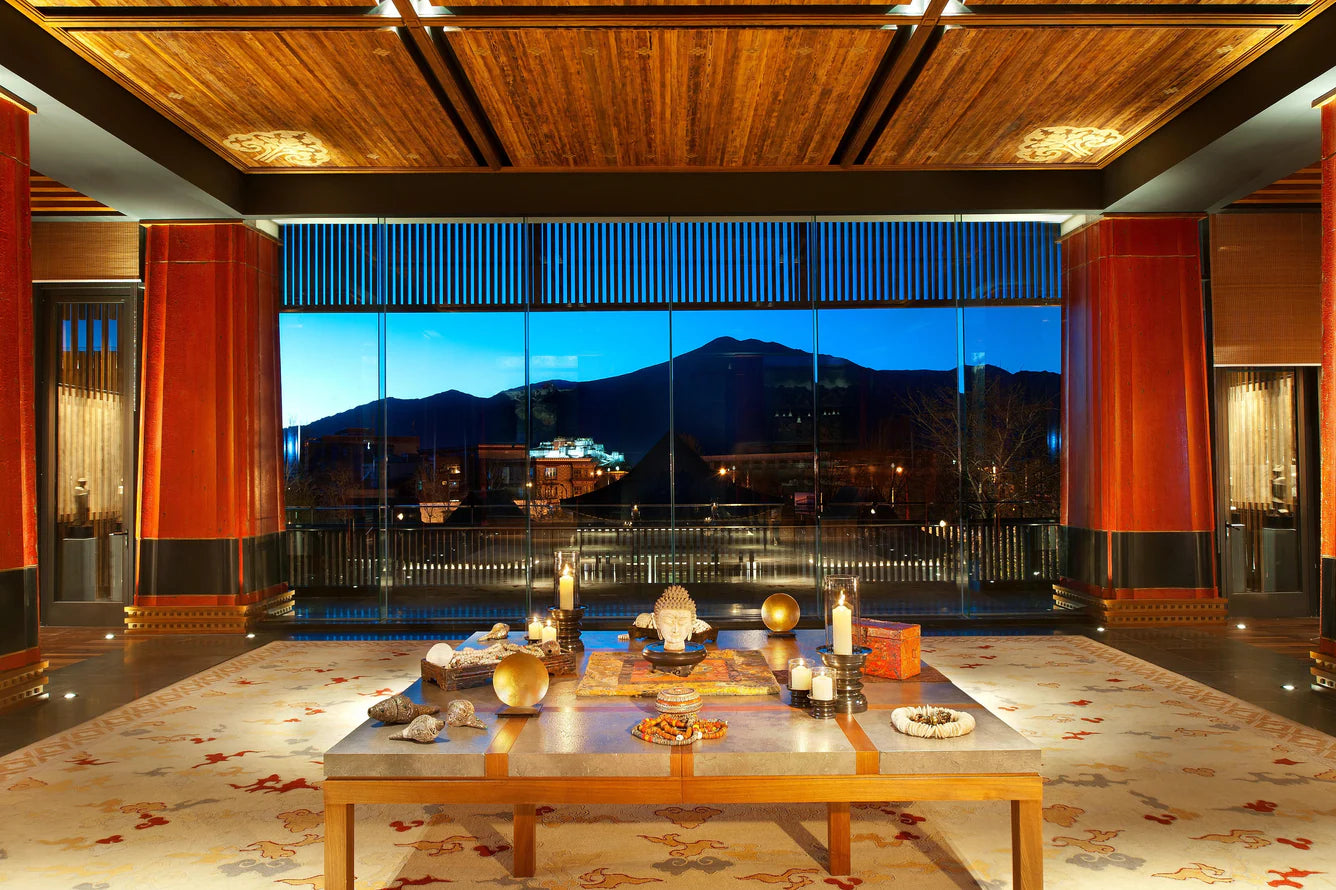
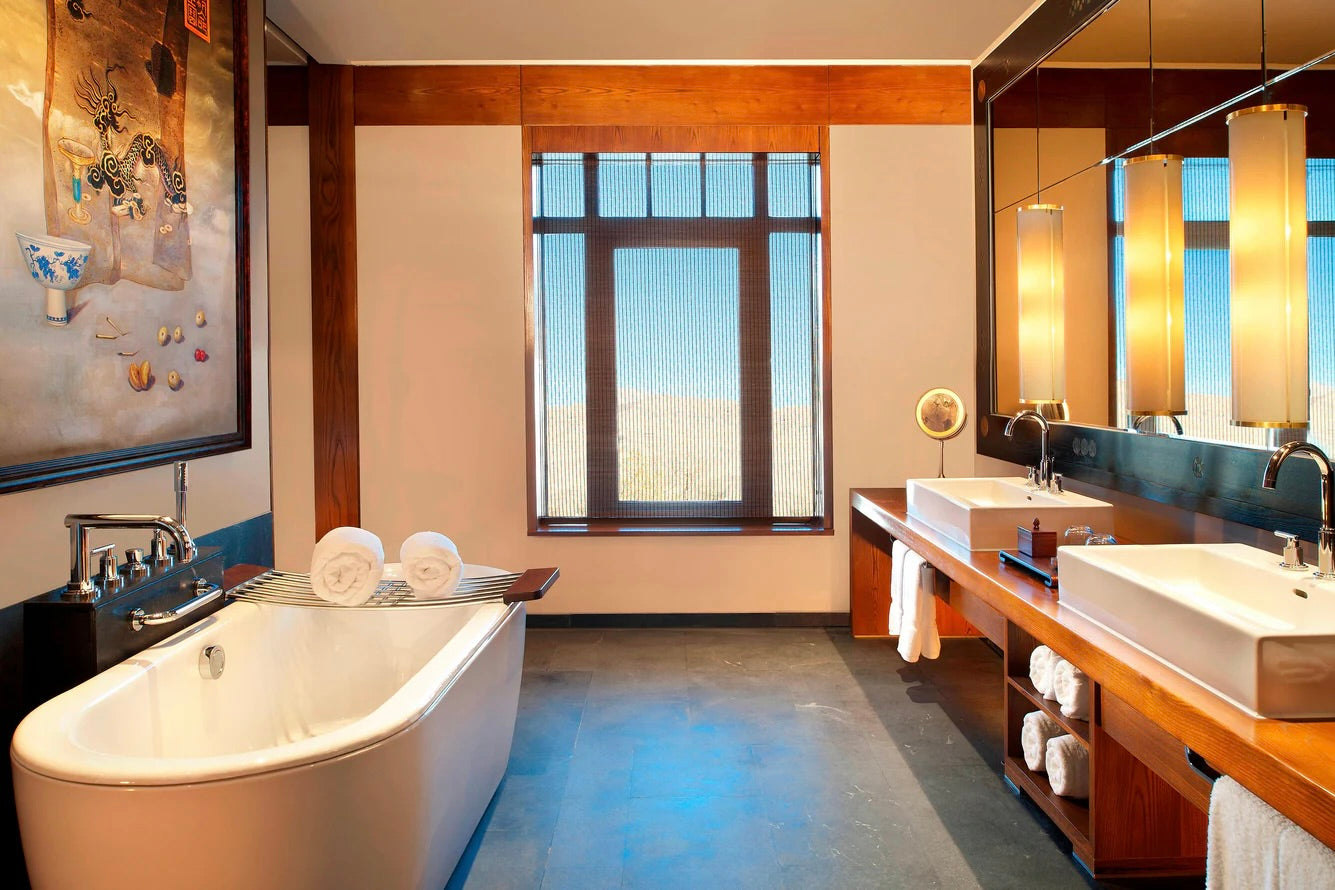
Leaving Lhasa, the trip extends to the historical Tsedang valley – the cradle of Tibetan civilization, before traversing spectacular highland roads to Shigatse, the region's second-largest city. Along the way, visitors will stop at the sacred Yamdrok Lake with its characteristic turquoise hue, visit holy monasteries such as Tashilhunpo Monastery – the seat of the Panchen Lama, and discover local life through traditional villages. Interspersed throughout the journey are comfortable stays at The St. Regis Lhasa Resort and Hilton Shigatse, offering a balance between exploration and relaxation in a region of challenging altitude.
More than just a trip through famous landmarks, the Tibet journey is also an opportunity to clearly feel the interplay between past and present, between majestic nature and profound spiritual life – where each experience leaves its own distinct, serene, and emotional resonance.


-
INCLUDE
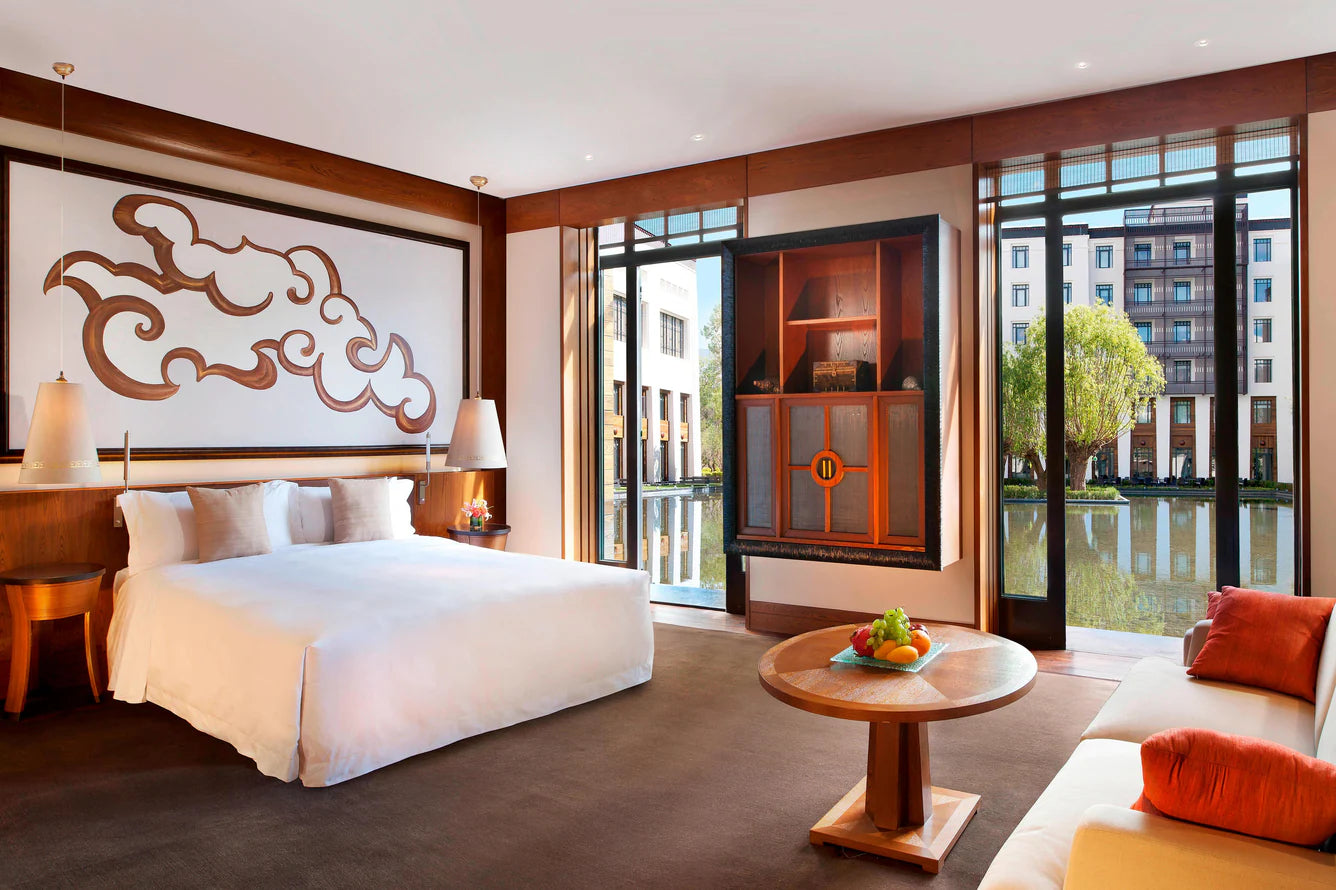
- 5 nights at The St.Regis Lhasa Resort
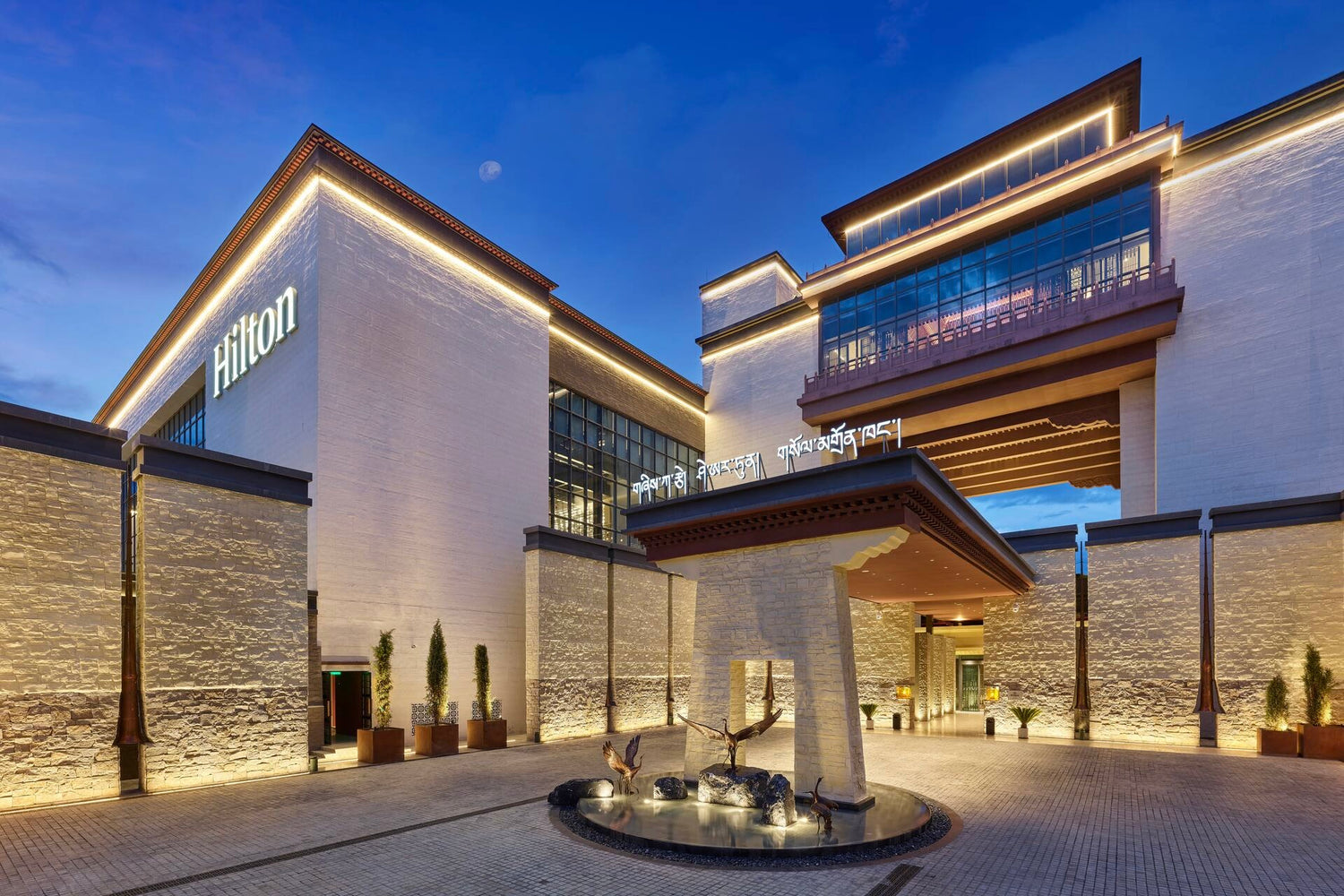
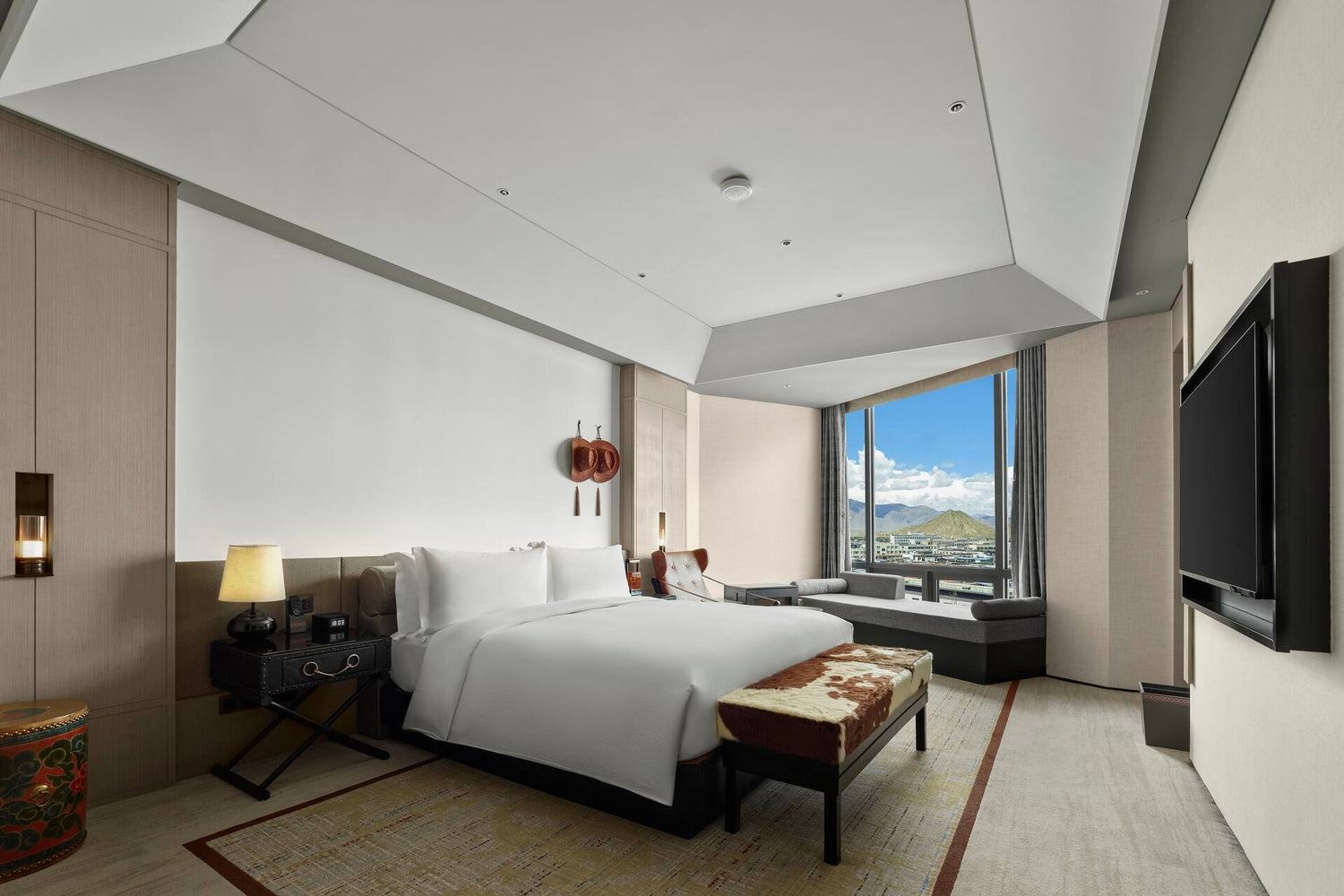
- 2 nights at Hilton Shigatse
- All land transfers including snacks on board (Yutong/Ford van or similar)
- WildChina English-speaking guide services, as noted in the itinerary
- All accommodation expenses with daily breakfast, based on double occupancy, as noted in the itinerary
- All entrance fees and other expenses, as noted in the itinerary
- Bottled water and local snacks provided in the vehicle
-
NOT INCLUDED
- Surcharges for early check-in or late check-out at the hotel
- International airfare and related taxes
- Chinese tourist visa, mandatory for most foreign passport holders
- Health insurance
- Travel insurance
- Alcoholic beverages and meals not included in the program
- Personal expenses (e.g., minibar, personal phone, laundry, etc.)
- Tours and activities not included in the program
- Optional tips for guides and drivers
-
ESTIMATED COSTS (subject to change)
From VND 145,468,500 per person (Twin / Double sharing)
PROJECTED ITINERARY
-
DAY 1: VIETNAM - LHASA
- Flight from Vietnam - Lhasa
- Upon arrival in Lhasa, you will be met at the airport and transferred to your hotel for check-in. This is an ideal time to rest and acclimate to the altitude.
- Due to changes in climate and pressure, you should dedicate the first day to gentle relaxation. If you feel up to it, you can begin a light exploration of the old town. One suggestion is to stroll along Barkhor Street - a bustling market with countless local stalls nestled within Lhasa's characteristic narrow alleys. Here, you will witness pilgrims continuously circling Jokhang Temple amidst the lively atmosphere of the market. This is also an opportunity to delve deeper into the local culture through stories and conversations with the locals.
- Overnight at The St. Regis Lhasa Resort
-
-
DAY 2: EXPLORING LHASA
Visit the following destinations:
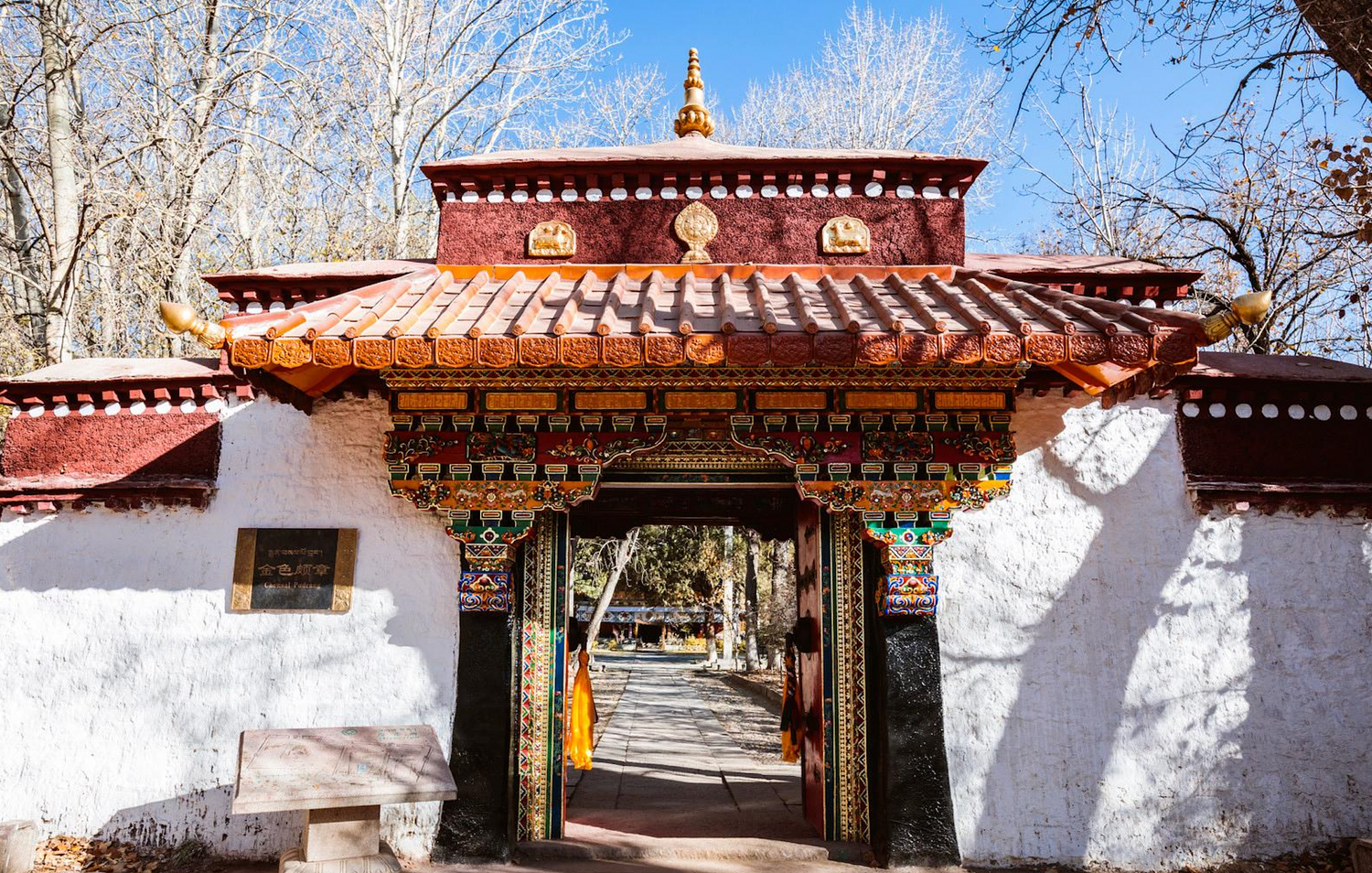
- Norbulingka (Summer Palace of the Dalai Lamas): Built in 1783, Norbulingka served as the summer residence for Tibetan religious leaders from the late 18th century until the 14th Dalai Lama's departure from Tibet in 1959. Although damaged during the upheavals of the 1950s, this UNESCO-recognized heritage site was restored in 2003. The palace's expansive gardens are now an ideal place to observe the daily lives of local people – from dancing and karaoke to outdoor recreational activities.
- Chupsang Nunnery: Nestled in the hills near Lhasa, Chupsang is a peaceful nunnery, secluded from the bustling tourist crowds. It is a place where nuns dedicate themselves to meditation, rituals, and scriptural study. A visit here offers an authentic glimpse into the quiet, profound spiritual life of Tibetan Buddhism.
- Sera Monastery: Founded in 1419, Sera was once one of Tibet's largest monastic universities and a significant religious and political power. Today, the monastery remains home to over 500 monks. The most distinctive feature here is the daily scripture debates held every afternoon, where monks passionately and energetically discuss doctrines. Additionally, you can visit the scripture printing house, where scriptures are still hand-printed on traditional paper.
Note: Debates usually take place on weekdays but may be canceled due to factors beyond control.
- Thangka Painting Experience: Thangka is a distinctive form of Buddhist painting, known for its intricate motifs and images of deities with rich symbolic meanings. In this experience, you will meet a local artisan to learn about the religious, social, and historical value of this art form, which can take up to two years to complete. You will also have the opportunity to try painting your own thangka – as a way to connect more deeply with Tibetan culture and spiritual life.
- Overnight at The St. Regis Lhasa Resort
-
-
DAY 3: EXPLORE LHASA
Explore the destinations
- Potala Palace: Perched atop Marpo Ri (Red Hill) in Lhasa, Potala is a magnificent architectural masterpiece and the most prominent symbol of Tibet. First built in 631 and expanded in the late 17th century under the 5th Dalai Lama, the palace served as the winter residence of successive Dalai Lamas and was the political and religious center for over 300 years. With over 1,000 rooms, 10,000 shrines, and approximately 200,000 Buddha statues, it is now a museum preserving invaluable historical treasures, attracting both tourists and pilgrims.
- Jokhang Temple: As Tibet's most sacred and ancient Buddhist temple, Jokhang stands out with its harmonious blend of Nepalese and Indian architecture. Not only impressive for its architectural beauty, but it is also a gathering point for thousands of pilgrims daily. From the temple's rooftop, you can admire panoramic views of the Potala Palace set against the snow-capped mountains. For a deeper experience, you can wake up early to join the kora ritual with locals.
- Barkhor Street: Located in the heart of Lhasa's old town, Barkhor is a vibrant market with countless stalls selling prayer flags, jewelry, incense, and various local handicrafts. Strolling here, you'll encounter pilgrims circling the Jokhang in an atmosphere that is both bustling and sacred. This is also an ideal place to buy souvenirs, bargain with vendors, and observe the daily life of Tibetans.
- Experience a local tea house: Visiting a Tibetan tea house is a wonderful way to immerse yourself in the local culture. Enjoy a traditional sweet milk tea made from yak milk – a popular drink that helps restore energy after a day of exploration. These tea houses are always crowded with locals, providing an ideal space to feel the slow and intimate pace of life in the highland region.
- Overnight at The St. Regis Lhasa Resort
-
-
DAY 4: EXPLORE TSEDANG
Located in the historic Yarlung Valley, Tsedang is considered the cradle of Tibetan civilization – where the first milestones of history were formed. This fertile land, once a lush forest and now a rich agricultural area, is famous for many "firsts" in Tibet such as the first palace, the first fortress, the first town, and especially the first Buddhist monastery. Amidst the peaceful scenery of the Yarlung River and majestic mountains, Tsedang offers a journey back in time, where ancient ruins and sacred spaces tell the story of Tibet's origins.
Visit destinations:
- Travel: Lhasa – Samye (approx. 1 hour)
- Samye Monastery: Built between 775–779, Samye is considered the first Buddhist monastery in Tibet. Although it has been destroyed by war and natural disasters, it has been restored and still plays an important religious role. Surrounded by spectacular nature, the monastery complex impresses with its harmonious combination of Chinese, Indian, and Tibetan architecture – symbolizing the cultural fusion of this land.
- Yumbu Lhakhang: Perched on a hilltop, Yumbu Lhakhang is considered the oldest palace in Tibet, associated with the legendary King Nyatri Tsenpo from prehistoric times. The structure was built into the natural rock terrain, curving along the mountainside, creating a unique beauty. Although it was destroyed during the Cultural Revolution, the palace was restored in 1983 and today is one of the most impressive attractions in the area.
- Travel: Yumbu Lhakhang – Lhasa (approx. 2 hours)
- Overnight at The St.Regis Lhasa Resort
-
-
DAY 5: LHASA - SHIGATSE
Travel to Shigatse & visit Yamdrok Lake en route
- The journey takes approximately 5 hours, leading you away from Lhasa and gradually ascending to an altitude of about 4,500m via winding mountain passes. This is an ideal opportunity to admire the majestic Tibetan Plateau landscape unfolding along the way.
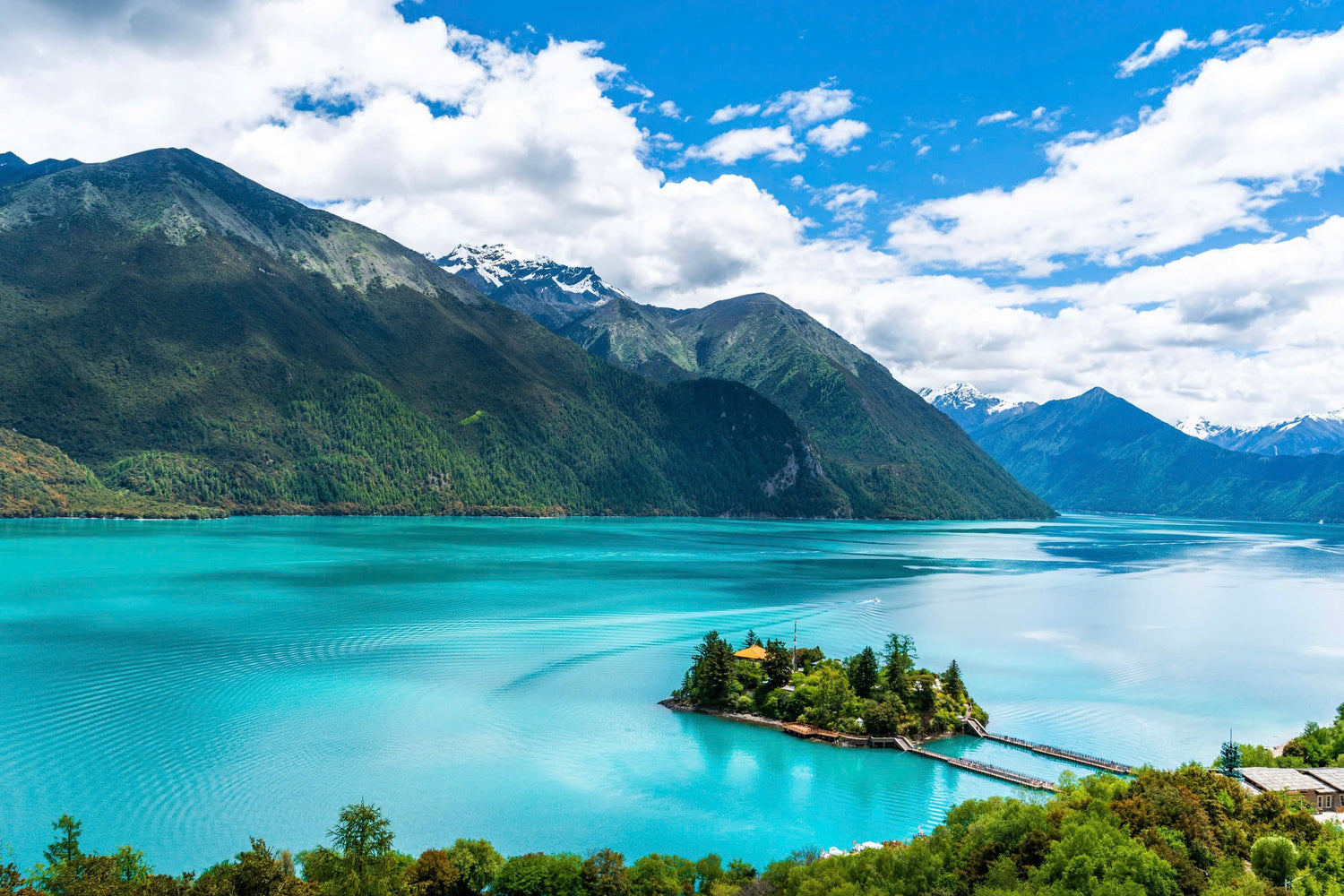
- En route, you will stop at Yamdrok Lake – one of Tibet's most beautiful sacred lakes. The lake impresses with its turquoise waters curving like a crab's claw, with the mysterious Donang Sangwari peak (5,340m) and the snow-capped Nojin Gangzang range (7,191m) in the distance. According to local legends, Yamdrok is the embodiment of a celestial fairy. With deep spiritual significance, many Tibetans believe that the lake's color carries sacred messages, and they often visit before making important decisions. You can stroll around the lake, enjoying the spectacular scenery before continuing your journey over the Karo La pass and heading towards Gyantse.
Visit the destinations:
- Palkhor Monastery & Kumbum Stupa: In Gyantse, you will visit Palkhor Monastery – a large monastic complex with numerous shrines and assembly halls decorated with distinctive murals and religious symbols. The most prominent feature is the Kumbum Stupa – a multi-tiered stupa with 108 chapels, housing thousands of Bodhisattva statues and precious relics of Tibetan Buddhism. Surrounding the monastery are winding red walls along the hillside, creating a majestic yet serene landscape. Compared to other large monasteries, this place is quieter, offering a more profound experience for visitors.
- Shigatse: Founded in 1447, Shigatse is located at an altitude of approximately 3,900m and is the second-largest city in Tibet with about 80,000 inhabitants. It is home to the Panchen Lama – the second-highest religious leader in the Gelug school of Tibetan Buddhism, after the Dalai Lama.
- Overnight at Hilton Shigatse
-
DAY 6: SHIGATSE
Visit the following destinations:
- Tashilhunpo Monastery: Built in 1447 by the First Dalai Lama, Tashilhunpo is an important religious center that helped make Shigatse a political, economic, and cultural crossroads for the region. It is the seat of the Panchen Lamas, and at one time more than 4,000 monks lived in the vast monastery complex with its distinctive red, white, and black walls. A prominent highlight is the five-story temple housing a 26m-tall gilded bronze statue of Maitreya Buddha, along with the tomb of the 4th Panchen Lama, adorned with countless jewels and gold. In the main hall, you can listen to the solemn chanting while lamas busily pour yak butter tea into seemingly endless rows of cups.
- Gangquen Carpet Factory: Established in 1988 under the patronage of the 10th Panchen Lama, Gangquen is one of the oldest brands in the Tibetan carpet weaving industry, affiliated with Tashilhunpo Monastery. It was also the first entity in Tibet to produce and export carpets internationally. Its products are renowned for their intricate hand-weaving techniques, use of natural dyes, and traditional auspicious patterns. With an annual production of over 2,000m², Gangquen carpets are currently exported to more than 100 countries.
- Shalu Monastery: Built in 1027 in Shalu village near Shigatse, Shalu Monastery is one of the oldest structures from the Buddhist renaissance period in Tibet. It is associated with the renowned scholar Atisha and houses many precious 14th-century murals, considered some of the best-preserved works in Tibet. Its serene atmosphere and profound historical value make Shalu a meaningful stop on a journey to discover this land.
- Overnight at Hilton Shigatse
-
-
DAY 7: SHIGATSE - LHASA
- Return to Lhasa: As the sun rises, the journey back to Lhasa begins, a drive of approximately 4–5 hours. Along the way, you'll marvel at majestic mountain ranges and spectacular, endless plateau landscapes – don't forget to prepare your camera to capture these impressive moments.
- Upon returning to Lhasa, you are free to rest or enjoy the remainder of the day as you wish.
- Experience en route: During the journey, you will have the opportunity to visit a traditional Tibetan home, gaining a deeper understanding of daily life in the countryside. Here, you will converse with the host family (through your guide), admire the exquisitely decorated walls, and enjoy yak butter tea – a distinctive beverage of the highland region. This is an authentic and intimate experience, offering deep insights into Tibetan culture and modern life.
- Overnight at The St. Regis Lhasa Resort
-
DAY 8: END OF TOUR
- At departure time, you will be transferred to the airport and assisted with check-in for your return flight. This concludes your journey, leaving you with unforgettable experiences of Tibet – a land where majestic nature and profound spiritual life intertwine.
- We look forward to seeing you on future trips.
-
The Journeys Collection
To book or learn more about other trips in China, please contact our travel consultants & designers via Facebook message